Oahu weather in short
Temperatures change little through the year. Daytime highs in Honolulu stay between about 80 and 89 degrees Fahrenheit, and nights between about 67 and 76. Northeast trade winds keep the air moving. The main differences between seasons are rain, ocean waves and the crowds.
The numbers below come from the National Oceanic and Atmospheric Administration (NOAA) climate normals for the Honolulu International Airport weather station, covering 1991 to 2020. This independent guide is not a weather service. For forecasts and warnings, use the National Weather Service in Honolulu.
Oahu weather month by month
NOAA normals 1991 to 2020, Honolulu International Airport station. Temperatures in degrees Fahrenheit (Celsius), rainfall in inches (millimeters).
| Month | Average high | Average low | Average mean | Rainfall |
|---|---|---|---|---|
| January | 80.5 (26.9) | 66.8 (19.3) | 73.6 (23.1) | 1.84 in (47 mm) |
| February | 80.5 (26.9) | 67.1 (19.5) | 73.8 (23.2) | 1.94 in (49 mm) |
| March | 81.2 (27.3) | 68.1 (20.1) | 74.7 (23.7) | 2.36 in (60 mm) |
| April | 83.1 (28.4) | 70.1 (21.2) | 76.6 (24.8) | 0.77 in (20 mm) |
| May | 84.8 (29.3) | 71.5 (21.9) | 78.2 (25.7) | 0.82 in (21 mm) |
| June | 86.9 (30.5) | 73.8 (23.2) | 80.3 (26.8) | 0.50 in (13 mm) |
| July | 88.1 (31.2) | 75.1 (23.9) | 81.6 (27.6) | 0.52 in (13 mm) |
| August | 88.8 (31.6) | 75.6 (24.2) | 82.2 (27.9) | 0.84 in (21 mm) |
| September | 88.4 (31.3) | 74.8 (23.8) | 81.6 (27.6) | 0.88 in (22 mm) |
| October | 86.9 (30.5) | 73.9 (23.3) | 80.4 (26.9) | 1.51 in (38 mm) |
| November | 84.1 (28.9) | 71.8 (22.1) | 78.0 (25.6) | 2.25 in (57 mm) |
| December | 81.8 (27.7) | 69.2 (20.7) | 75.5 (24.2) | 2.18 in (55 mm) |
The twelve monthly rainfall values add up to the 16.41 inches that fall in an average year. The National Weather Service names August and September as the warmest months.
Oahu tours for any season
Boat trips, snorkeling, island tours and more, with live prices and availability. Check the forecast for your date before you book an outdoor trip.
Dry season and wet season
Rain follows a simple pattern in the table.
April to September
The drier half of the year. Monthly rainfall at the airport stays between 0.50 and 0.88 inches. June and July are the driest, and highs climb from about 83 to 89 degrees.
October
A transition month with 1.51 inches of rain and highs near 87 degrees.
November to March
The wetter months, with 1.84 to 2.36 inches per month at the airport. March is the wettest in the table at 2.36 inches. Days are still mild, with highs from 80 to 84 degrees.
Summer ocean, winter waves
Summer brings the warmest water. Winter brings big waves to the North Shore, which are best watched from the shore. The lifeguarded beaches there are staffed daily from 8:00 to 18:30.
Weather depends on where you are
The airport station sits on the dry south side of the island. The National Weather Service points out that rainfall can differ a lot over short distances. Do not apply the airport numbers to the North Shore, the windward coast or the mountains.
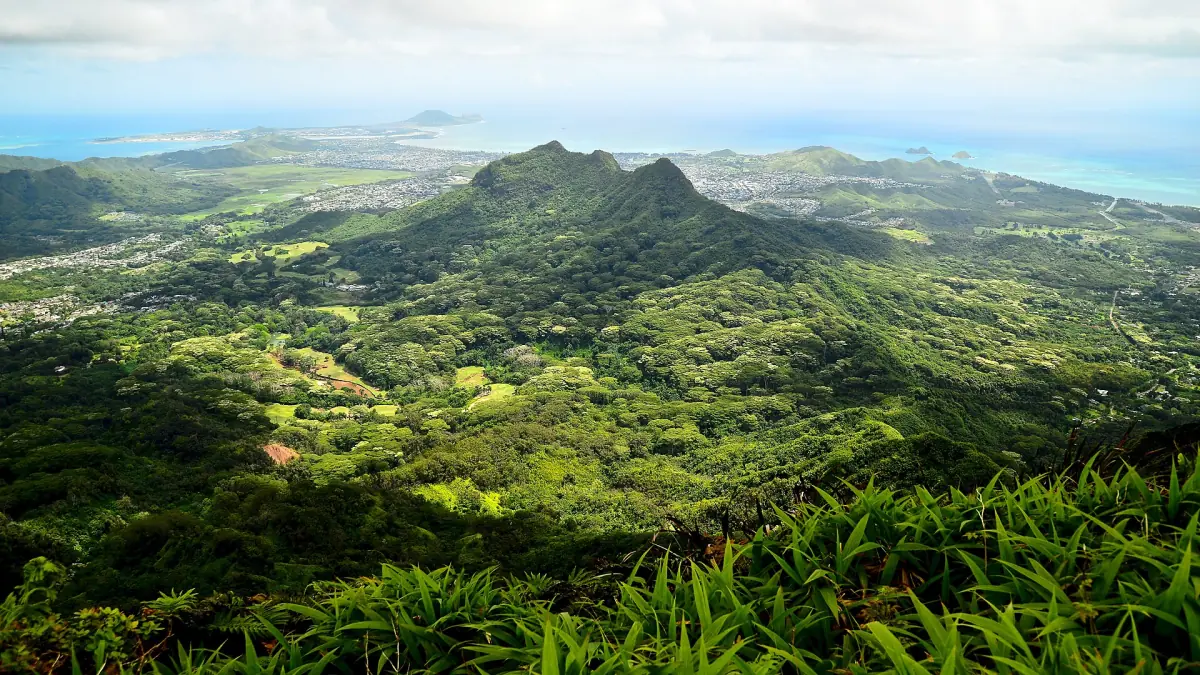
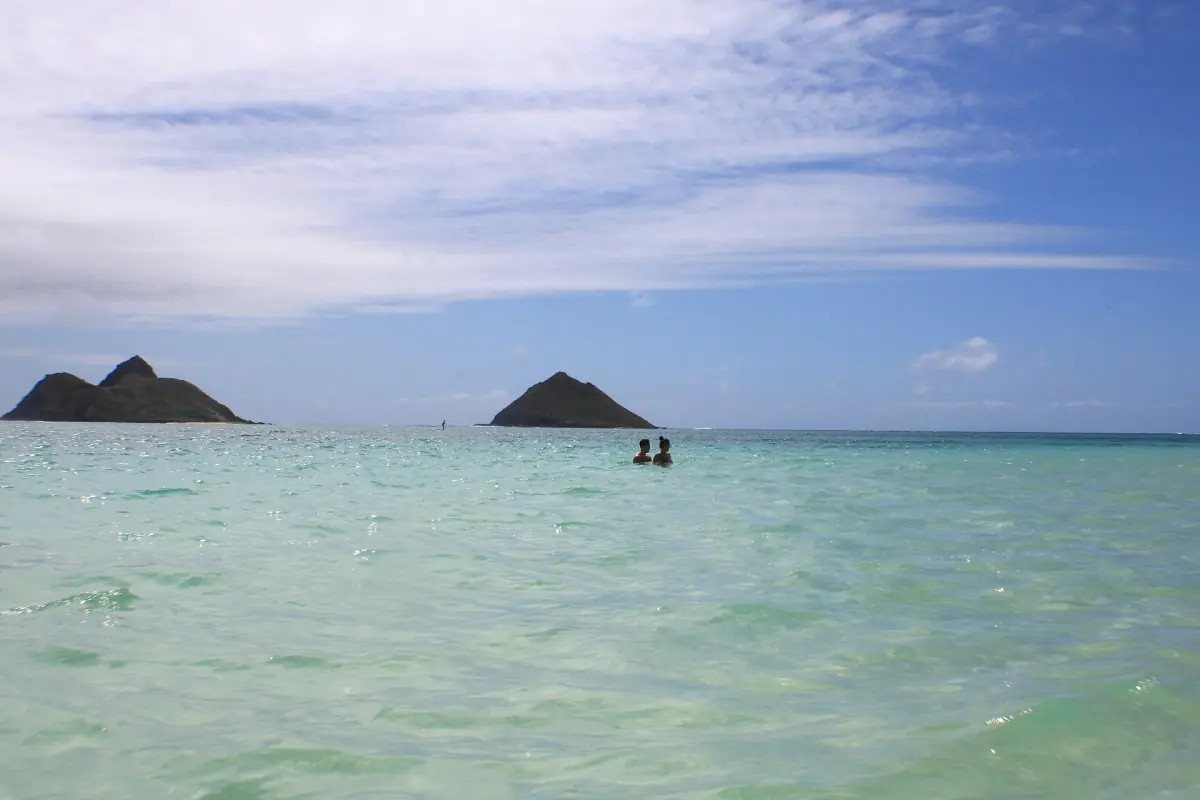
If a hike or a tour matters to you, look at the forecast for that area the day before and keep a light rain jacket in the bag. The windward coast near Kailua and Kualoa and the Koʻolau mountains can have different conditions from Waikiki on the same day.
Sunscreen matters in every month. Humidity at the airport averages 72 percent at 8 am and 56 percent in the afternoon, and the average wind speed is about 10 mph.
Best time to visit
It depends on what you want to do.
Spring and fall
The official Hawaii tourism site describes spring and fall as pleasant, with fewer crowds. April, May and October offer warm days and moderate rain.
Summer
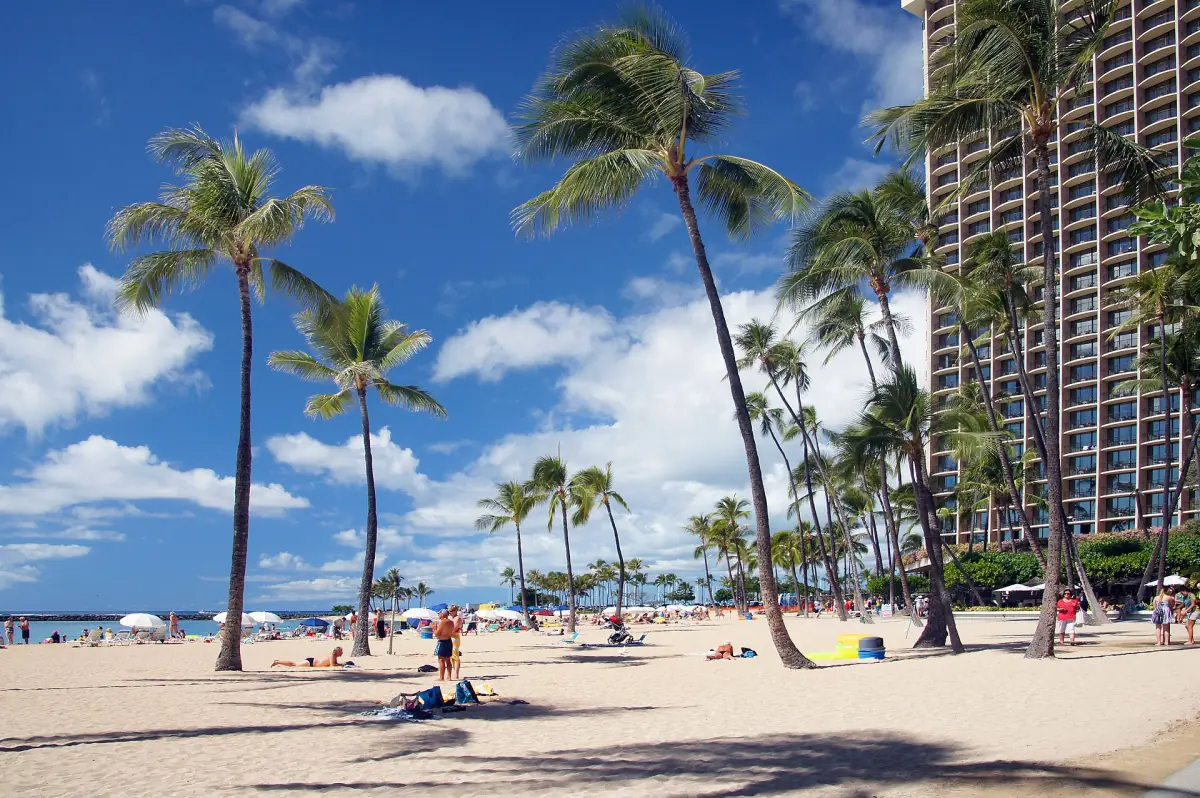
The warmest and driest months, and the warmest ocean. Good for beach days and snorkeling at Hanauma Bay.
Winter
More rain, mild days and big waves on the North Shore. See our North Shore guide for the lifeguarded beaches.
Any month
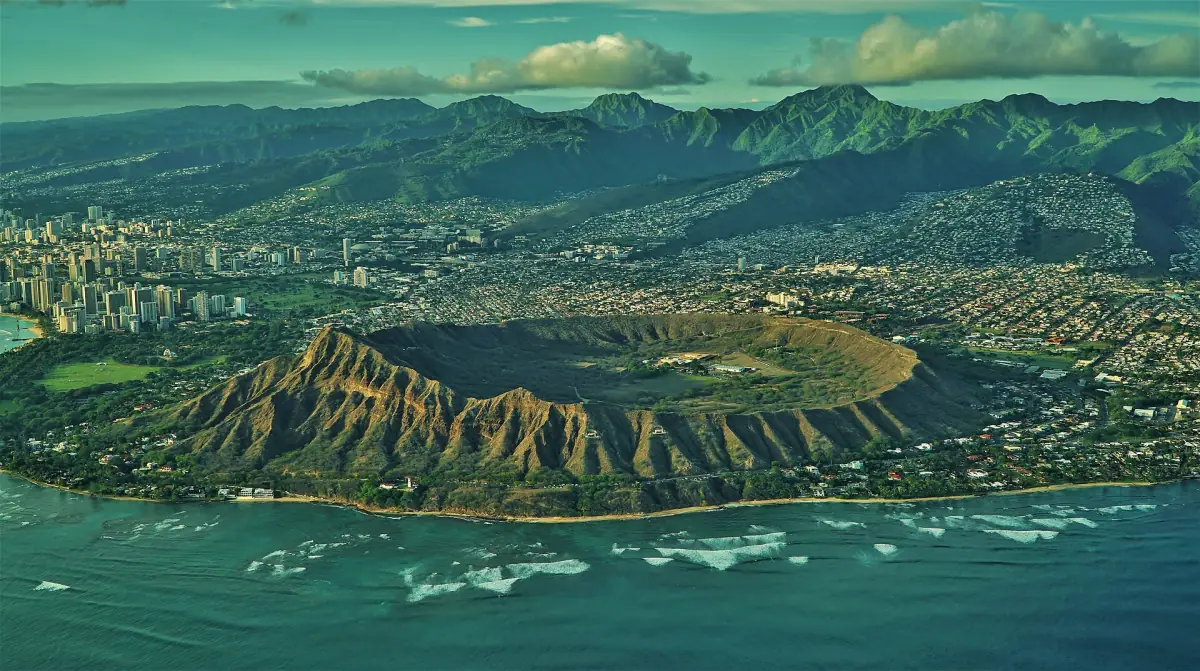
Reservations for Diamond Head, Hanauma Bay and the Arizona Memorial matter more than the season. Read about Diamond Head before you plan the hike.
What 2026 looked like
A wetter and stormier year than the normals suggest.
Rainfall from 1 January to 20 September 2026 was 22.35 inches at the airport, against a normal of 10.21 inches for that period. Hurricanes Lala, Lowell and Nolo affected Hawaii in August and September 2026. On Oahu, storm surge and high waves hit the south shore, including Waikiki and Ala Moana, and some state parks closed in part.
Hotels were open at the end of September, according to the Hawaii Tourism Authority. Storms can happen in late summer, so check the forecast before you travel and the status of beaches and parks on the day. State parks refund reservations for days closed by storms. See our page on Waikiki Beach for the south shore.
Plan more of your trip
Where to go and where to stay.
Oahu weather: frequently asked questions
What is the best month to visit Oahu?
Spring and fall are described as pleasant with fewer crowds. Summer is warmest and driest, winter is wetter and has the big North Shore waves.
Which month is the driest?
June has the least rain at the Honolulu airport station, 0.50 inches, closely followed by July at 0.52 inches.
Which month is the wettest?
March, with 2.36 inches at the airport station. November and December are close behind.
How warm is Oahu in winter?
Daytime highs from December through February are about 80 to 82 degrees Fahrenheit (27 to 28 C). Nights are around 67 to 69 degrees (19 to 21 C).
Are the airport numbers valid for the whole island?
No. The station is on the dry south side. Rainfall can differ a lot over short distances, so the windward coast, the North Shore and the mountains see other values.
Is visitoahu.org a weather service?
No. This is an independent travel guide. For forecasts and warnings, use the National Weather Service.